
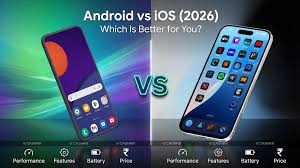
The battle for mobile operating system dominance continues to evolve in 2026. Both Android and iOS have reached highly mature states, making the choice more about ecosystem preference than basic utility.
1. Ecosystem Integration and Hardware
iOS remains unmatched in cohesive ecosystem synergy. If you own a Mac, iPad, or Apple Watch, the integration features (like Handoff and file transfer) are incredibly fluid. However, Android provides vast hardware diversity, allowing users to choose between folding screens, ultra-zoom camera modules, and budget-friendly devices by brands like Xiaomi and Samsung.
2. Customization and Custom Sideloading
Android leads in personalization, allowing users to customize launchers, widgets, and default apps to their exact liking. It also supports sideloading third-party app packages safely. While iOS has introduced more custom options recently, it remains a more controlled environment.
3. Software Lifecycles and Resale Value
Historically, Apple led in long-term software support. Today, manufacturers like Google and Samsung offer up to 7 years of full operating system upgrades for their flagships. In terms of financial resale value, iPhones continue to depreciate slower than Android choices in secondary marketplaces.